



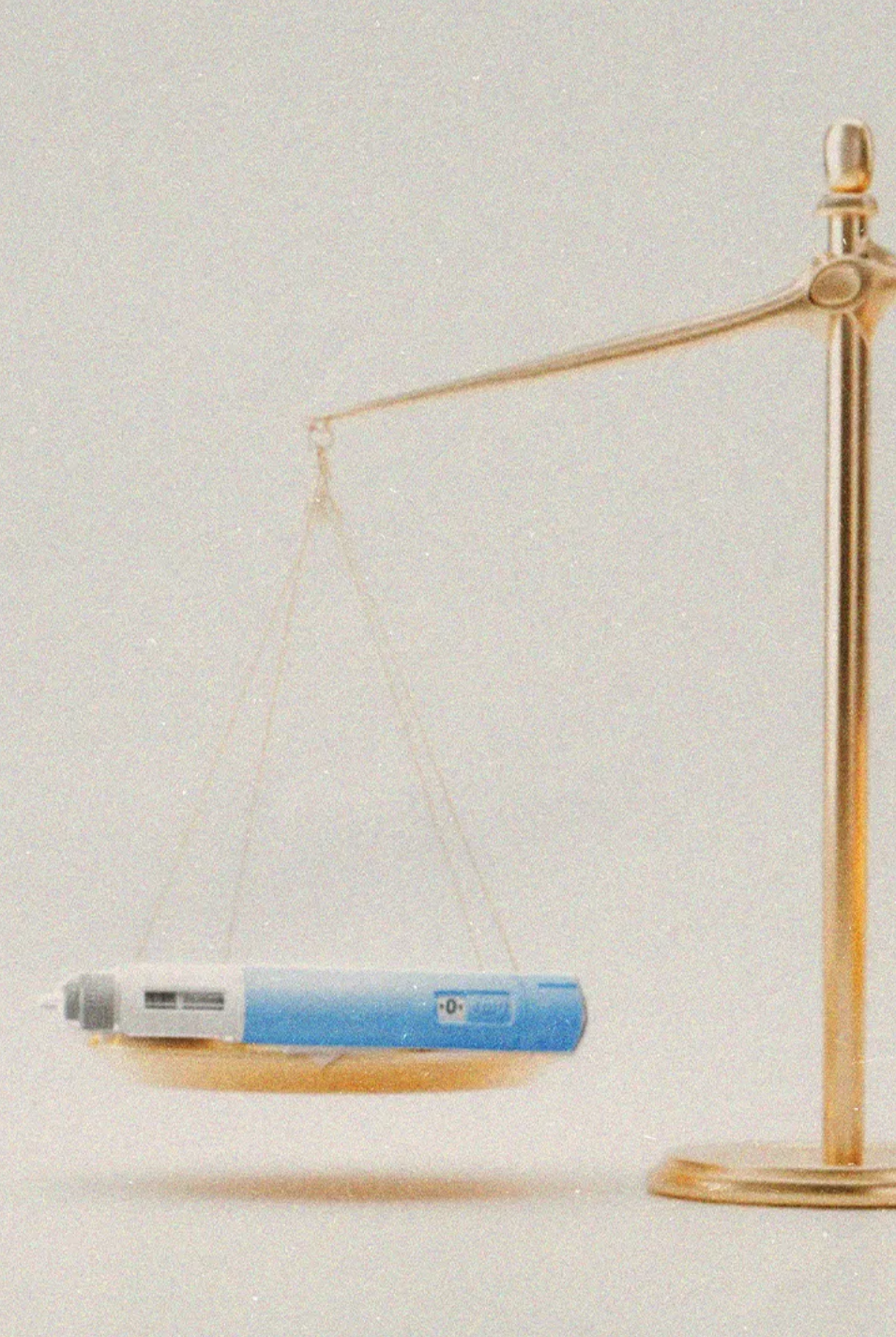
Ozempic, a GLP-1-based medication, has made a remarkable splash in the health and weight loss world. Recently, “microdosing” has become an emerging trend, generating both attention and discussion. This article will analyze the background of Ozempic, the concept of microdosing, its potential pros and cons, and user experiences, in response to this health trend.
Introduction to Ozempic and GLP-1 Hormones
Ozempic is an injectable medication that mimics the body’s naturally produced GLP-1 (glucagon-like peptide-1) hormone. It was originally designed to treat type 2 diabetes. After release in the gastrointestinal tract, GLP-1 primarily regulates blood sugar, but it can also reduce appetite, slow gastric emptying, and help reduce food intake.
Similar medications currently on the market include Zepbound and Mounjaro. These medications are not only used to treat diabetes, but are also gaining attention among non-diabetic patients due to their significant weight loss effects.
The Rise of Microdosing
Microdosing refers to using doses lower than those approved by the U.S. Food and Drug Administration (FDA) to minimize side effects while maintaining efficacy. This topic has gained increasing attention with public admissions from American television host Andy Cohen that he microdoses Ozempic.
Microdosing allows users to achieve a more balanced balance between weight loss and health management, reducing gastrointestinal discomfort and other medication-induced side effects.
User Feedback and Potential Side Effects
Many users report significant weight loss and appetite control with Ozempic, but side effects are not negligible:
- Common Side Effects: Nausea, diarrhea, constipation, stomach pain, and other digestive symptoms;
- Facial Changes: Rapid weight loss can lead to facial fat loss, resulting in sunken and sagging skin, commonly known as “Ozempic face”;
- Muscle and Hair Impacts: Some users experience hair thinning and muscle loss. Medical experts believe this is primarily related to nutritional deficiencies and physical stress caused by rapid weight loss.
Experts recommend combining moderate resistance training with a balanced protein intake to help slow muscle loss and maintain strength.
Medical Perspective and Risk Considerations
Doctors emphasize that while microdosing appears to reduce side effects, Ozempic should still be taken under a doctor’s supervision. Incorrect dosing or overuse can lead to malnutrition, cardiovascular stress, and even mental health problems.
Medications are not a panacea; a healthy lifestyle, including a balanced diet, regular exercise, and psychological well-being, remains the cornerstone of long-term weight and health management.
The rise of Ozempic microdosing reflects a profound demand in modern society for a balance between weight loss and health. This “light touch, yet effective” approach to medication offers a new path, but also reminds us to approach the power of technology with caution. In the pursuit of health, reason and science should always be our guiding lights.